Product overview
CQZ Type Fully Automatic Inline Magnetic Separator
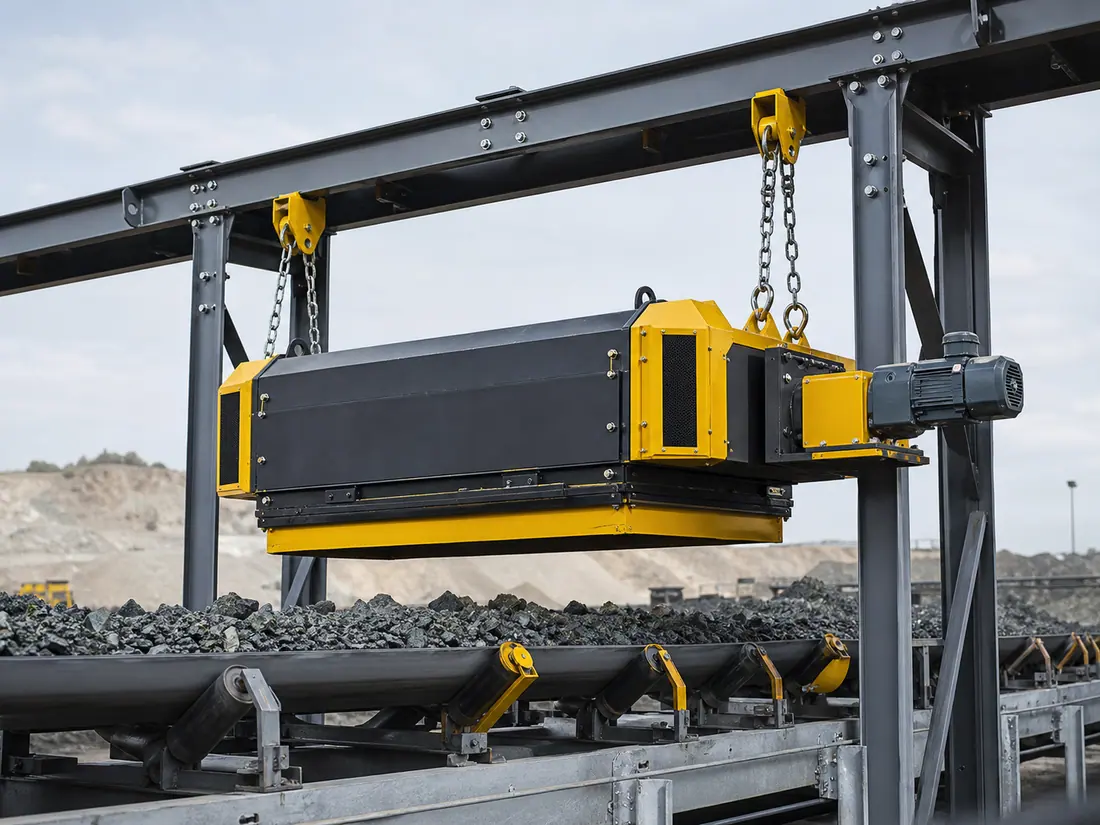
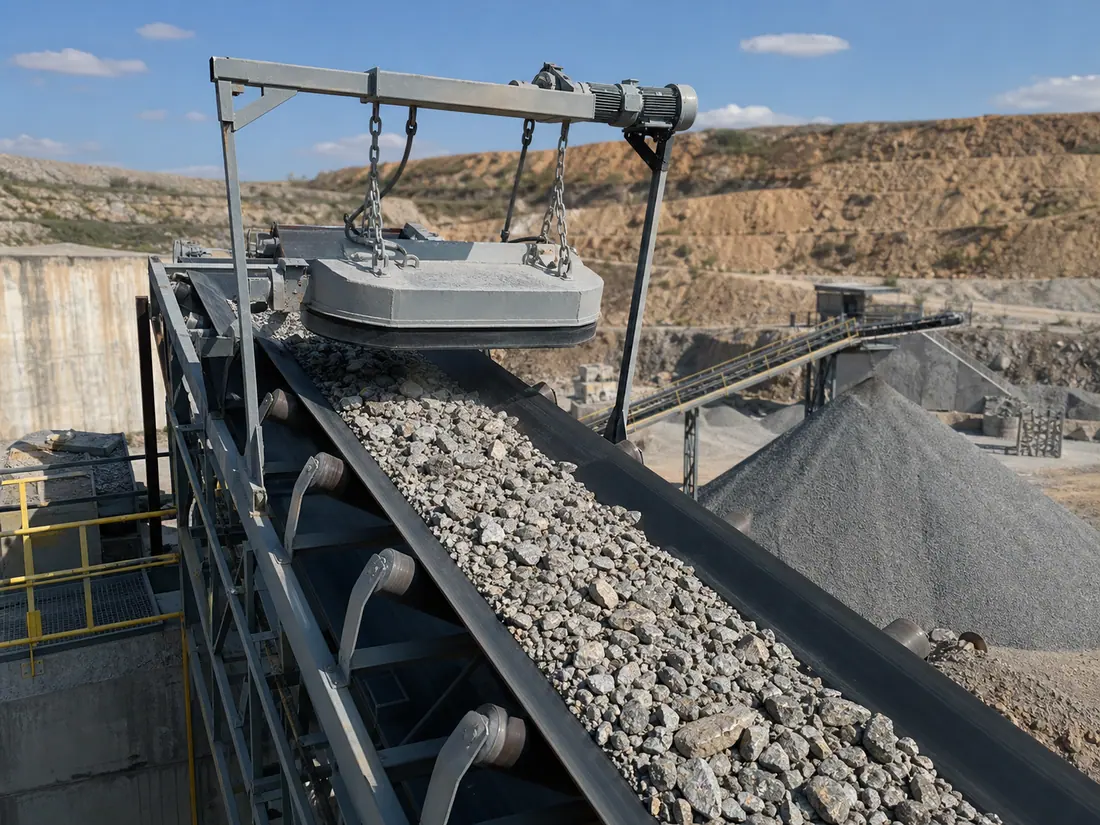
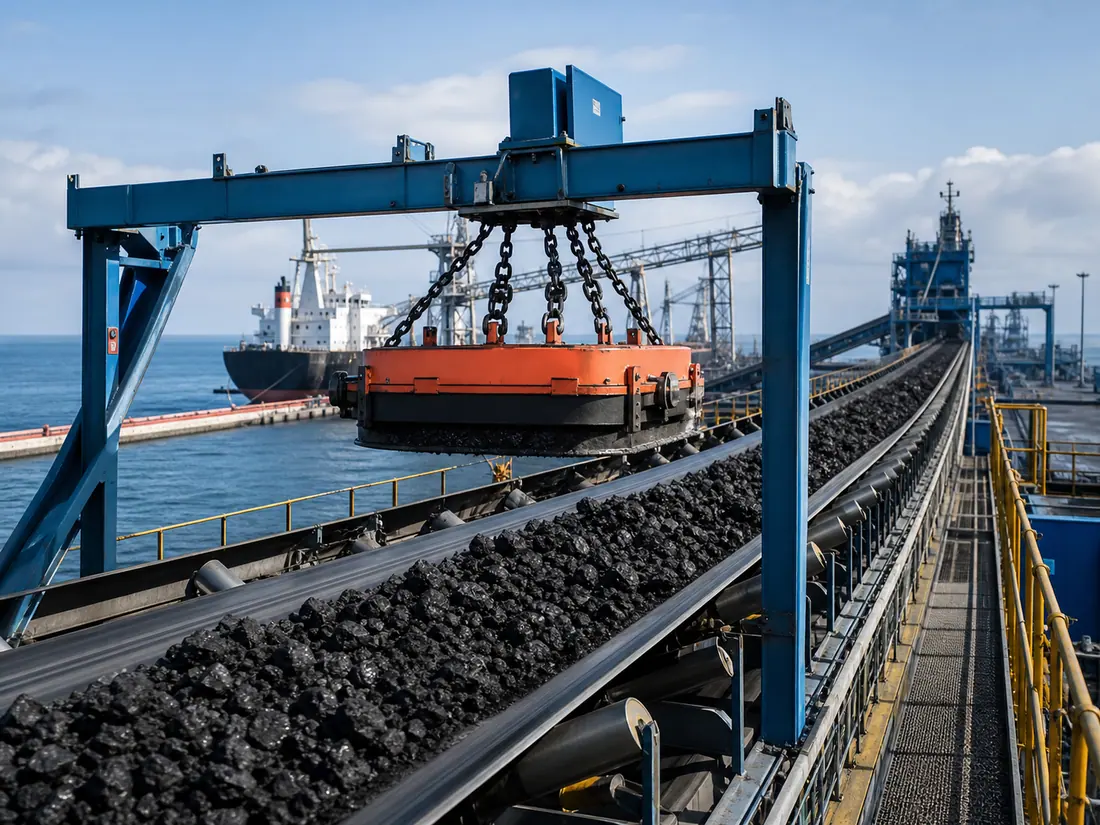
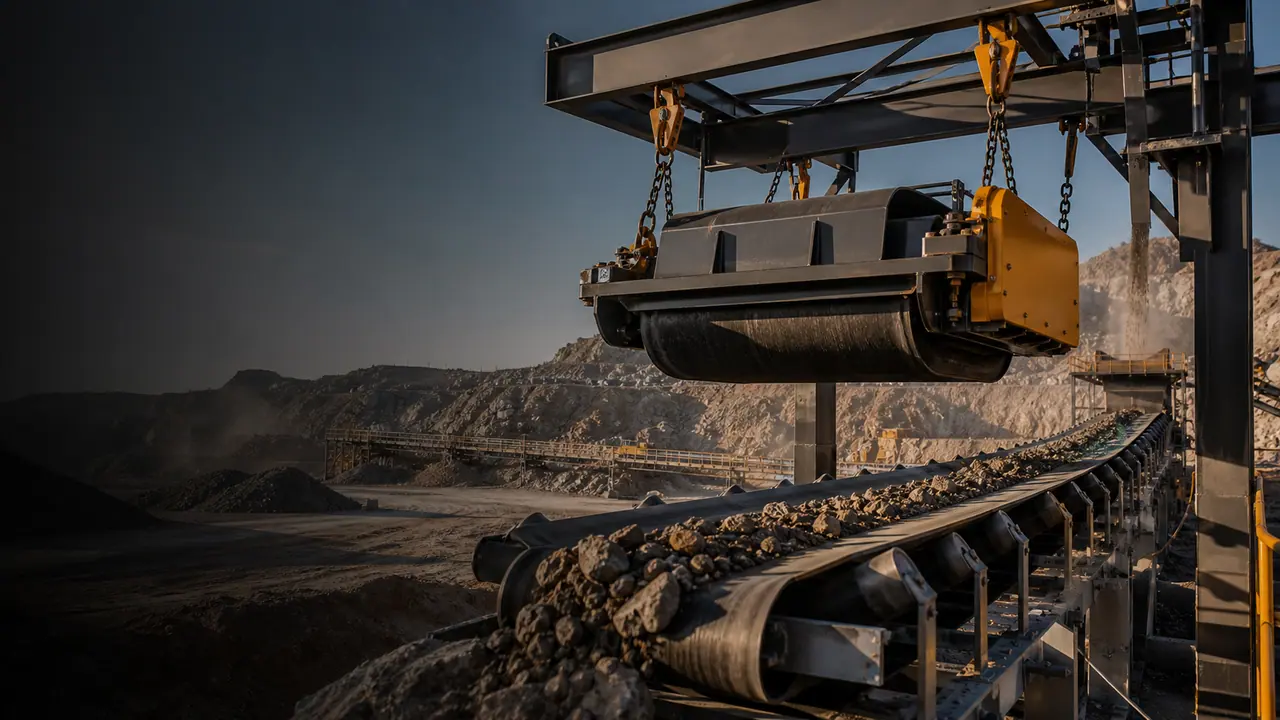
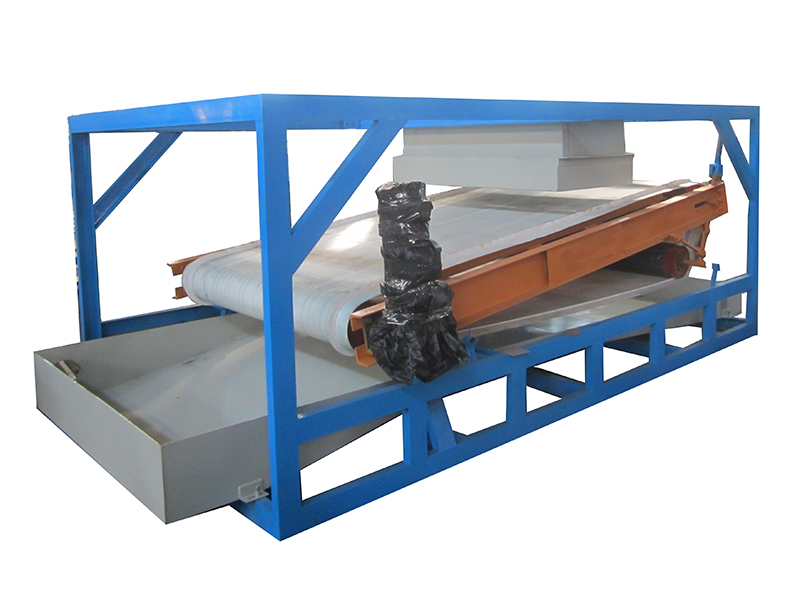
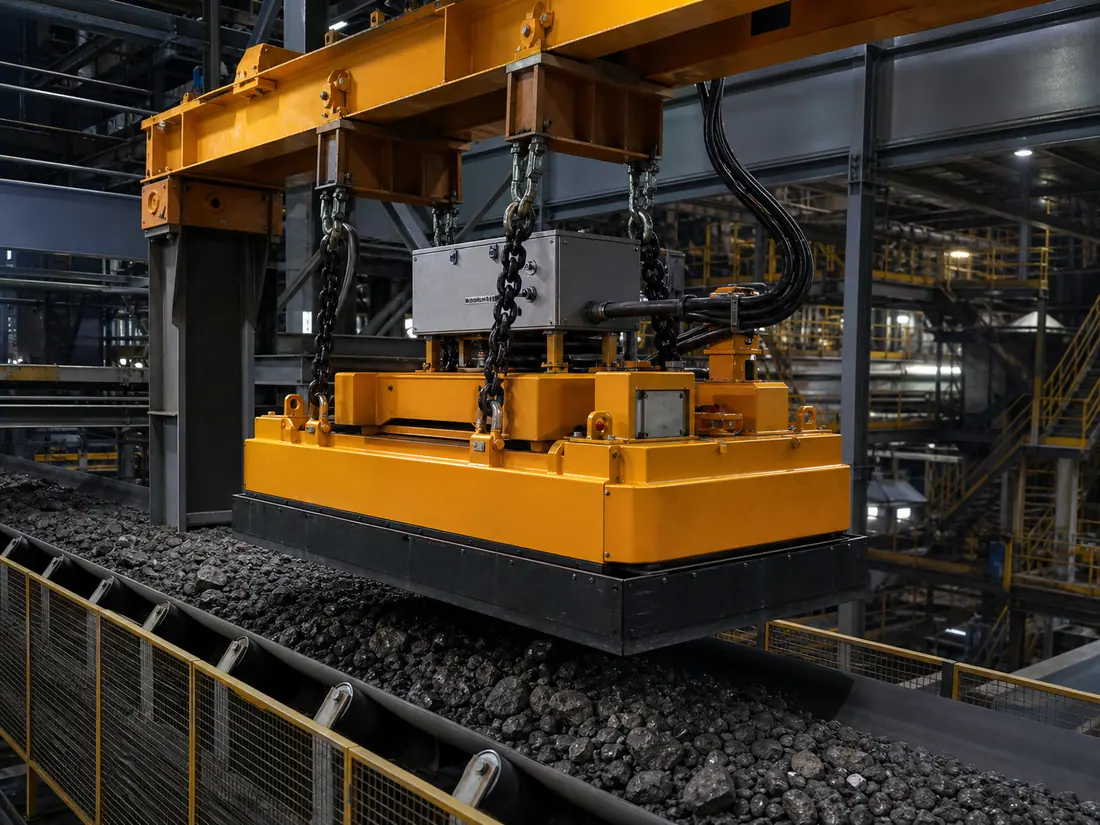
CQZ Type Fully Automatic Inline Magnetic Separator is presented as a suspended magnetic separator option for conveyor and bulk material handling. Its final configuration should be based on the actual material, process position, operating conditions and the technical information available for the requested project. COWIN MAGNET supplies this magnetic filter or separator component for South African and African projects where the equipment must be matched to the real process rather than selected from a name alone. The review starts with the material stream, installation position, available space and operating environment. Final configuration, commercial availability and any numerical performance data are confirmed by COWIN engineering and the supplier for the requested project.
How it works
How it works
The diagram is a planning aid. Final positioning is confirmed from the line layout and the material duty.
- 01Material flow
- 02Magnetic element
- 03Captured contamination
- 04Cleaning access
- 05Protected process
- 01 Feed conveyor
- 02 Tramp iron risk point
- 03 Suspended magnet position
- 04 Ferrous discharge or manual cleaning
- 05 Protected downstream equipment
Product features
Key features
Features shown here come from the current COWIN product record and are confirmed again for the requested configuration.
- Defined magnet position
- Cleaning method matched to contamination
- Conveyor data first
- Site conditions matter
- Permanent or electromagnetic magnet system where applicable
- Manual-clean or self-cleaning discharge arrangement
- Cross-belt or inline mounting review
Process fit
Typical applications
COWIN MAGNET supports South African and African projects. These applications describe relevant process contexts, not local installations or inventory.
- Gravity-fed bulk-material streams
- Pipeline or chute installations subject to connection confirmation
- Powder, granule or processed-material contamination control
- Industrial process lines where cleaning access can be provided
Process objective
What it helps solve
Final outcomes depend on material, installation and the confirmed model.
- Helps capture ferrous contamination at a defined process point
- Supports a cleaner material stream before downstream equipment or processing
- Keeps the connection and cleaning method matched to the actual duty
Engineering inputs
Installation and selection guide
Provide the following information so COWIN can review the product against the actual process.
- Material type, particle size and flow condition
- Opening, pipe connection or installation envelope
- Flow rate, pressure, temperature and material properties where applicable
- Expected contamination and required cleaning interval
- Access for safe cleaning and maintenance
Confirmed data
Technical specifications
Only verified public fields are shown as values. Other fields remain subject to project confirmation.
Configuration
Options and customisation
Only options appropriate to the selected product and project are confirmed in a quotation.
- Permanent or electromagnetic magnet system where applicable
- Manual-clean or self-cleaning discharge arrangement
- Cross-belt or inline mounting review
- Suspension frame and guarding coordinated to site layout
Service planning
Operation and maintenance
Use site-safe isolation and the supplier-approved procedures for the selected configuration.
- Isolate the process before opening or cleaning the magnetic assembly.
- Use the agreed cleaning procedure for the selected housing and magnetic elements.
- Inspect seals, connections and access hardware before returning to service.
Product FAQ
Questions buyers ask
Answers apply to this product family and do not replace a project-specific engineering review.
Self-cleaning is normally considered where ferrous contamination must be discharged continuously. Manual cleaning may be appropriate when contamination is low and the line can be isolated safely for service.
The installation direction depends on belt speed, burden depth, the discharge side, available headroom and the required exposure to the magnetic field. The conveyor arrangement should be reviewed before selection.
Please provide belt width, speed, material layer depth, suspension height, material description, the largest expected tramp item, desired cleaning method and a layout drawing or photos when available.
No. A magnetic separator is used for ferromagnetic contaminants. Non-ferrous metals and non-magnetic stainless steel require a different separation or detection stage.
Project inquiry
Request a project-specific review
Share the operating details below. The product, source URL, UTM values and page language travel with this inquiry.