
Published: 2026-09-21Updated: 2026-09-21Author: Cowin Magnet South Africa Editorial Team
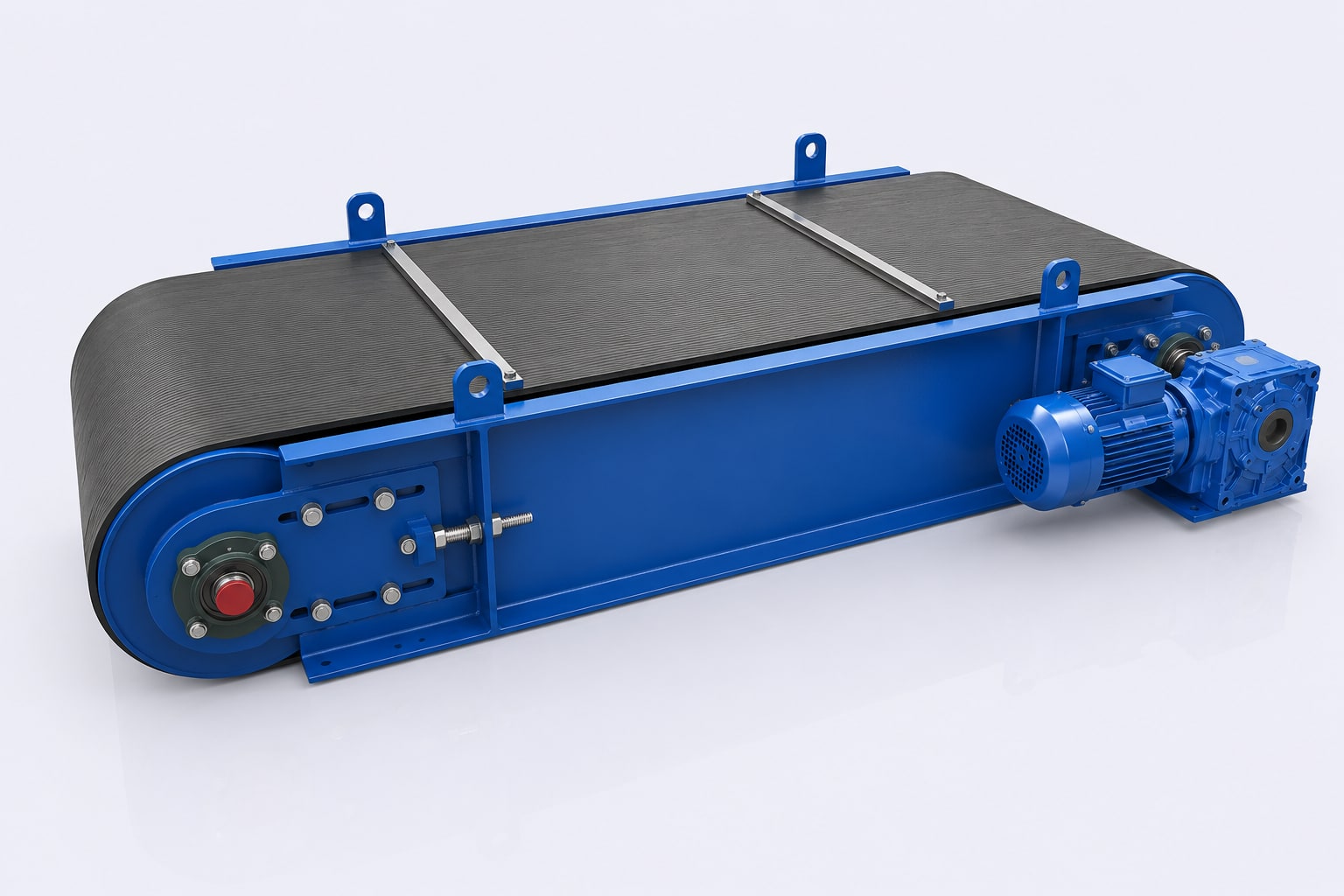
COWIN product image; final configuration is project-specific.
Key Takeaways
What the recorded sources say
The current source set consists of Mining Weekly: “Sanankoro gold project nears construction phase, Cora Gold says”; South African Government News Agency: “UIF concludes ex-mine workers outreach programme in Mthatha”. These public updates provide context for South African industry and project planning. They do not identify a COWIN customer, purchase, local stockholding or operating result, and they do not establish that one magnetic separator configuration suits any named project. The engineering value of the sources is to prompt a disciplined review of material flow, equipment interfaces and the information required before a supplier can confirm selection.
This article therefore separates reported context from COWIN's process-selection guidance. Source titles, publishers, links and dates are retained for traceability. The discussion below is an original engineering interpretation and does not reproduce the source articles or infer commercial relationships.
Convert a broad industry update into a defined plant question
An industry announcement is useful context, not a purchase specification. A plant review should identify the material route, the downstream equipment exposed to ferrous contamination and the consequence of an undetected object. That information establishes whether the immediate need is detection, removal, process separation or a combination of controls. It also prevents general market news from being presented as evidence of a specific customer project, local installation or guaranteed performance.
Locate the protection point from process evidence
The proposed position should be checked against burden depth, material trajectory, belt speed, headroom, nearby steelwork and the route available for captured metal. A convenient open space is not automatically the best separation point. Drawings and clear photographs help identify structural and maintenance constraints, while operating records can show where contamination becomes visible and which downstream machine experiences the greatest consequence.
Match cleaning method to the operating pattern
Manual-cleaning and self-cleaning systems serve different production conditions. The review should consider contamination frequency, whether the process can stop safely, where removed metal will be discharged and how personnel will access the equipment. Permanent and electromagnetic magnet systems also have different power, controls and maintenance implications. Those attributes should remain tied to the actual product under review rather than combined into a generic description.
Use observations instead of vague contamination labels
Terms such as light, severe or occasional contamination mean different things to different teams. Photographs, approximate dimensions, capture frequency and the process position provide a better basis for review. If reliable records do not yet exist, the project can define a short observation period and a consistent log. The resulting evidence supports equipment selection and gives maintenance teams a baseline for future comparison.
Establish a verified design basis
Record conveyor width, belt speed, maximum burden depth, material type, particle-size range, moisture and temperature at the proposed position. Add the expected ferrous object size, shape and frequency where observations exist. Values copied from an old drawing should be checked against the operating plant. A short design-basis sheet gives all parties the same reference and makes later changes visible before they affect manufacturing or installation.
Review maintenance access
Inspection, cleaning, lubrication and component replacement require safe access and isolation. The layout should account for platforms, lifting points, guarding removal and the space needed to withdraw service items. Maintenance representatives should review these provisions before the support structure is fixed. A design that performs magnetically but cannot be serviced safely will not deliver reliable plant protection over its working life.
Track change through the project
Material properties, throughput, layouts and package interfaces often change between feasibility and construction. A simple change log should identify the revised input, its owner and whether equipment selection must be reviewed. This prevents a late process change from being absorbed silently and gives procurement a documented basis for any technical or commercial adjustment.
Plan a safe discharge route
Captured material must leave the process without falling into a walkway, returning to the feed or blocking a chute. The project should define collection points, guarding, access and the method used to empty containers. Where continuous production is required, discharge capacity and the expected contamination rate should be reviewed together. The arrangement also needs an agreed procedure for unusual or hazardous recovered objects.
Keep performance claims traceable
Project-specific separation or protection values should be tied to agreed operating conditions and, where necessary, representative testing. Unknown values should remain marked for confirmation instead of being replaced by generic guarantees. This protects the buyer and supplier from applying one site's result to a materially different duty and creates a clearer acceptance plan for commissioning.
Where Permanent Overband Magnetic Separator may fit
Permanent Overband Magnetic Separator may be reviewed where its actual magnet system, cleaning method and installation arrangement match the confirmed duty. It is not a universal answer and no performance value should be inferred from this article. COWIN engineering would require the design basis, layout and operating objective before confirming a model, working position or project-specific capability. The product record and quotation must describe only the configuration under review.
Questions to resolve before a quotation
Can equipment be selected from conveyor width alone?
No. Width is one input. Burden depth, belt speed, suspension height, material behaviour, contamination, cleaning requirements, surrounding steelwork and downstream risk must also be reviewed.
Does the source announcement prove that a magnetic separator is required?
No. It provides industry context. The need and configuration must come from the process objective and verified site information.
What should the buyer send first?
Send a concise process description, dimensioned layout or photographs, material and throughput information, observed contamination details, environmental conditions and the downstream equipment or product-quality objective that requires protection.
Practical next steps
- Confirm the process objective and the consequence of unwanted metal.
- Measure the material and installation conditions at the proposed position.
- Define cleaning, discharge, controls, access and environmental requirements.
- Record assumptions and assign owners for missing information.
- Request a project-specific review before treating provisional data as a guarantee.
Sources and methodology
This source-based article was assembled from current public metadata and COWIN's verified product record. It distinguishes source facts from engineering guidance, uses only COWIN-owned product media and does not reproduce third-party reporting.
- Mining Weekly: Sanankoro gold project nears construction phase, Cora Gold says, published 21 September 2026.
- South African Government News Agency: UIF concludes ex-mine workers outreach programme in Mthatha, published 13 September 2026.
Sources were accessed 21 September 2026. Final equipment configuration remains subject to project-specific engineering review.
Original Source
- Original title: Sanankoro gold project nears construction phase, Cora Gold says
- Publisher: Mining Weekly
- Author: Not specified by source
- Original publication time: 2026-09-21T12:00:00.000Z
- Collected by this site: 2026-09-21T18:10:02.362Z
- Read the original source
This article is based on public source information and independent analysis. Original reporting copyright belongs to the original publisher.